
Anawim Home Ministries are dedicated to transforming lives through acts of charity, divine providence, and the generous support of local and international donors. While appeals for grants and donations continue to play a vital role, the ministries have also launched self-sustaining projects to ensure long-term growth and positive development for residents. These initiatives were born out of the unique needs of the Home and reflect the broader mission of Anawim's ministries to uplift and empower vulnerable individuals. Since 1995, key projects have included farmland rehabilitation, vocational training, education, and healthcare—each aligned with the ministry’s goal of restoring dignity and purpose to every life it touches.
These projects included:
- Farmland around Gwagwalada and Kuje will be used to rehabilitate inmates and keep them busy with full economic activities on the farm and in poultry keeping.
- Establishment of a mini-shop around Anawim Home to teach inmates business education.
- Craft Centre: skill training centre for basket making, weaving, and raffia works.
- Nursery/Primary school: for children in the Home and other poor children within the neighbourhood.
With these plans, Anawim Home has continued with self-sustaining projects, including the school, farm, skill acquisition centre, and clinic.
The school was registered with the Corporate Affairs Commission on 14 June 2010, with registration number 2134912, under the name Infant Jesus Academy. It was approved to operate Daycare, Nursery, Primary, and Secondary schools. Although the school's population increased with its registration, it still had the charism of caring for the poor.
The fees were very low compared with those of other private schools in the locality. The classes grew up to Primary six (6) and started participating in the common entrance examinations for Secondary schools.
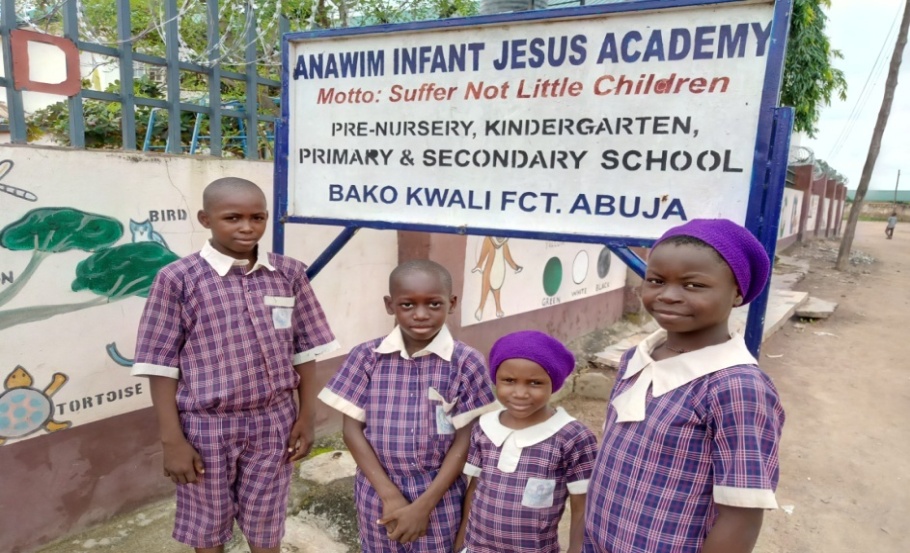
The achievement of the school continued and on 18/3/2012, the school was accredited as one of the recognized Basic Education schools in the F.C.T by the Federal Capital Territory Administration Education Secretariat. With the accreditation, the school started offering pupils for Basic Education Certificate Examination (BECE).
More physical structures were developed at the Infant Jesus Academy. A storey building was constructed with the help of the Universal Basic Education Commission (UBEC) and Mrs Adanma Odefa, a staff member of the African Independent Television (AIT). The building was commissioned on 28th August 2013. Many dignitaries were invited, including the then Senate President, Senator David Mark who was represented by Chief Raymond Dokpesi, the then Chairman of AIT. He too was represented by Mrs Clair Olabanjo and many other important dignitaries. The occasion was successful.
In 2015, the Secondary school section was detached from the Dabi campus and began activities in its permanent site, a 2.5-hectare land at Bako. The excellent management, administrative, and learning facilities provided by the Secondary school earned it full accreditation by the Quality Assurance Department of the FCTA Education Secretariat in June 2017. The accreditation approved the school to register candidates for the Senior School Certificate Examination (SSCE) conducted by the West African Examination Council (WAEC) and the National Examination Council (NECO) for the 2017/2018 academic year. The results of the SSCE of the school since then have been very encouraging.
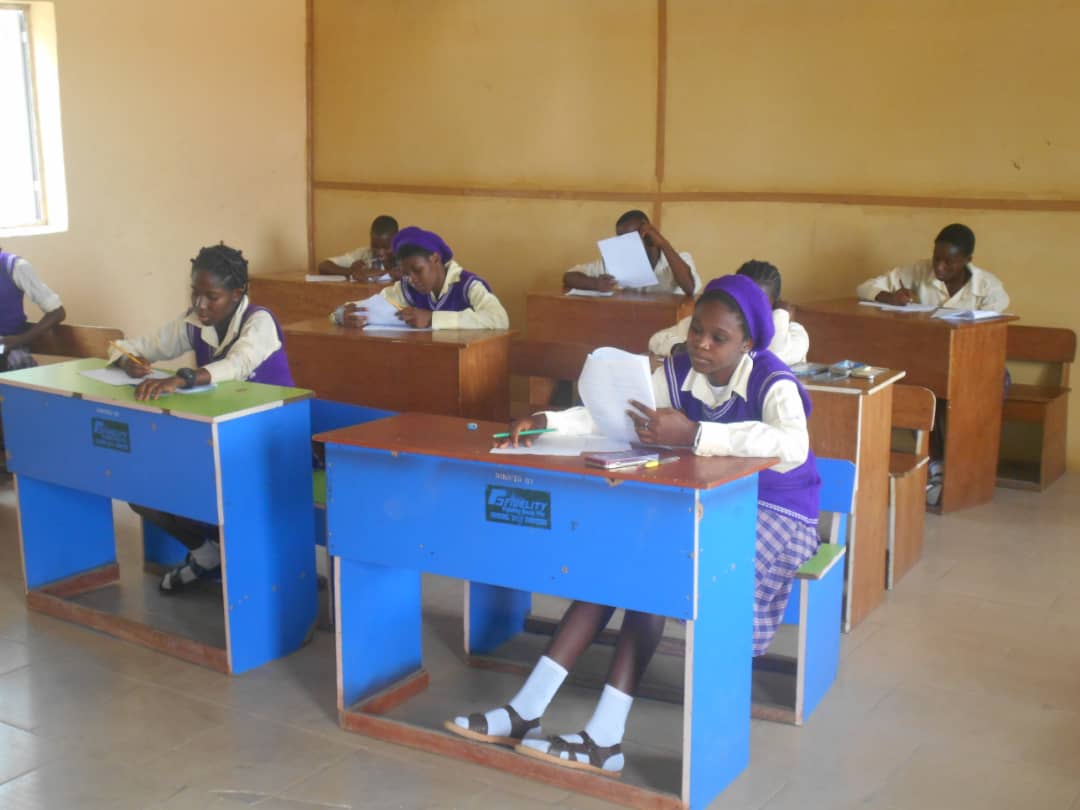
The school is co-educational. It provides an attractive and conducive environment for good teaching and learning, free from the noisy and polluted urban environment. It has high discipline and good morals, administered and managed by the Missionary Sisters / Servants for the Poorest of the Poor (MSPP).
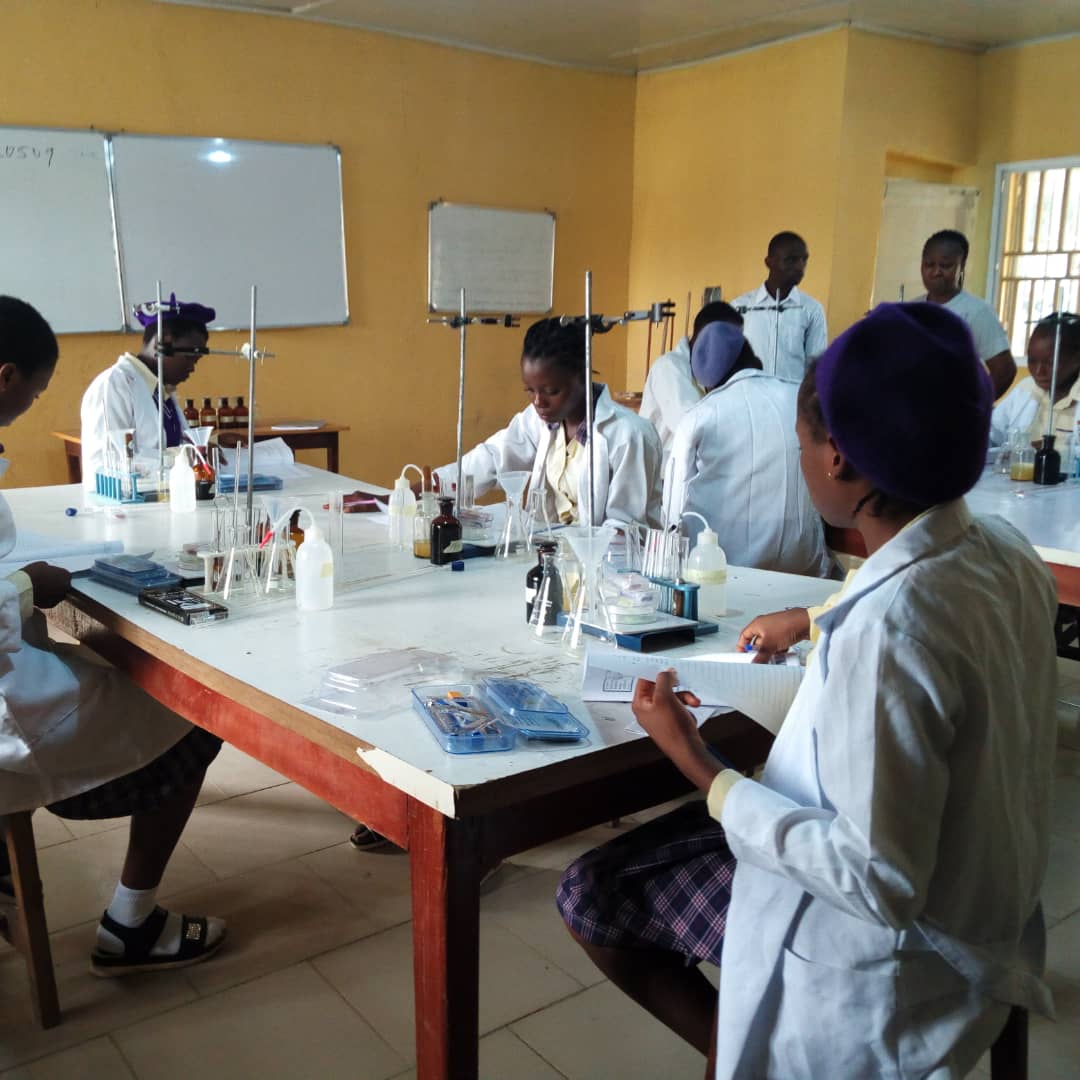
Infant Jesus Academy/Secondary School is equipped with standard science and computer laboratories, a well-stocked and maintained library, modern recreational and game facilities, and an uninterrupted water supply from two boreholes. The school is easily accessible from the Lokoja-Abuja Expressway.
The school has also enjoyed a good relationship with its sponsors, Hope for West Africa (HFWA) and the Nativity Parish, Timonium, Maryland, U.S.A. The grants from this group provided the funds for developing the physical structures of the school which houses classrooms, science laboratories, a library and a computer laboratory. A part of the block is also used for a temporary Administrative Office and accommodation for the Missionary Sisters for the Poorest of the Poor (MSPP) who manage the school. Hope for West Africa (HWFA) Incorporated also provided the initial funding for about 80% perimeter wall fence.
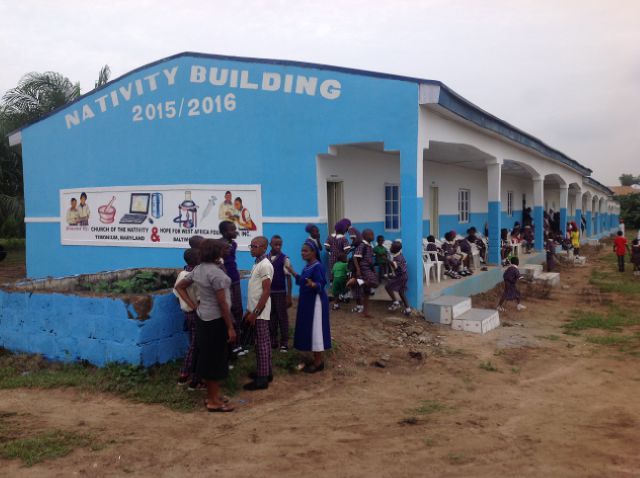
Another main donor to the development of the secondary school’s physical structure is Rita and Peter Caluori and their Switzerland friends. Many children schooling in the secondary school are within the adolescent age. It was no longer easy to accommodate them with the younger ones in the Home’s hostels. Rita and Peter Caluori provided funds for the construction of the Boys’ Berth in the secondary school compound where the adolescent boys are accommodated. This provided an easier environment to care for them. Brothers are living with them in the Boys’ Berth and there is total control over them, along with their adolescent-age lifestyle.
Further to that, a multipurpose hall is under construction through the funds provided by the same Rita and Peter Caluori and their Switz friends. The building still requires finishing work in electrical, tilling, plastering and fixing of windows.
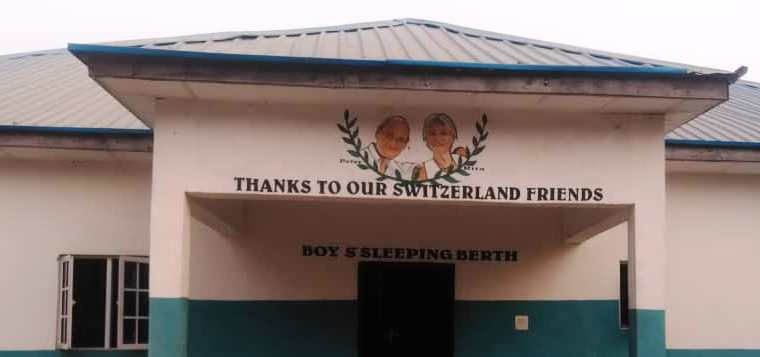
The Home is very grateful to these contributors for funding the self-sustaining project for education of the orphaned and vulnerable children.
The population of the two schools is growing with the primary school pupils numbering about 158 while the secondary school students are 60. There is a plan to include boarding facilities in the school later which will help to improve the population of the secondary school.
The Home, in the early days of 1995, had plans for different projects that would help in the apostolate. There were plans for an orphanage, schools for girls and boys, a novitiate, a community for young mothers and mentally challenged, etc. These made us acquire lands for each of these apostolate. The apostolate Communities are still in one place and are not yet separated nor fully taken off. But these lands are secured and are being put to good use. The undeveloped lands are used for farm work to provide food and assist in the feeding of the numerous inmates. The lands being used for farm work are in Dukpa, Checheyi, Ijah, Dagiri and Bako.
Home thus uses farming as one of its self-help projects to sustain the organization.
Dukpa Farm
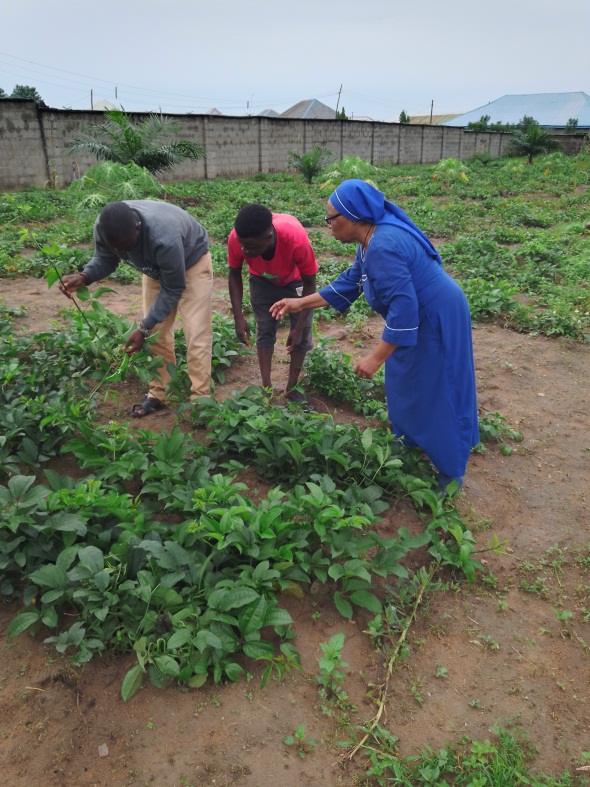
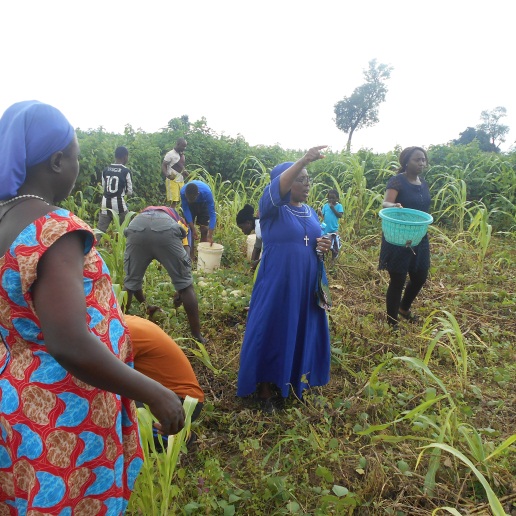
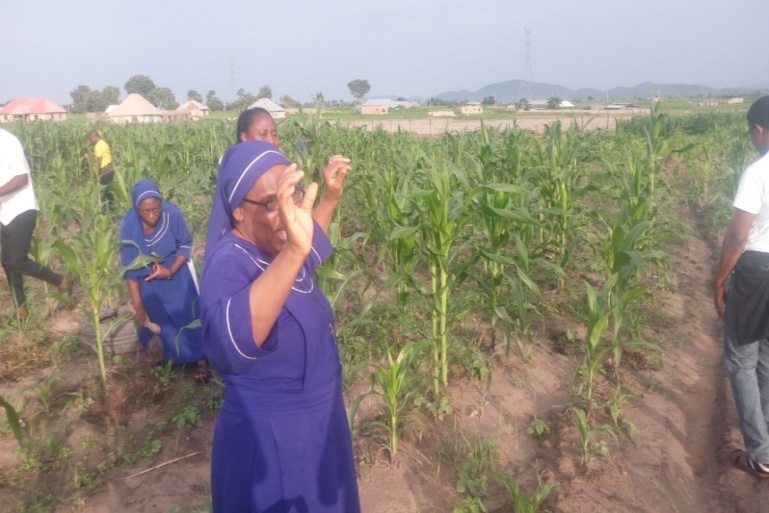
Dukpa farm is a land of about 2.5 hectares, acquired for developing a Vocational Boys’ School. The land has been secured with a high perimeter fence. The compound has two boreholes, electricity-powered and a manual hand pump. The powered borehole was drilled with the assistance of the Rotary Club while the manual pump was from grants of Rita and Peter Calouri and their Switzerland friends. The farm has a gatehouse and a room for use by Anawim Glory Home children and Brothers running the Home and Farm. The land is being cultivated annually and cropped with different crops like: maize, groundnuts, melon, soya beans, okro and vegetables, guinea corn, yam, sweet potatoes, cassava and rice. The harvested produce from the farm is used to complement gifts from benefactors for the feeding of the inmates.
The farm is used in training the children in agriculture and also in contributing to the workforce through practical participation in the farms during weekends and holidays. They are engaged in the farm and with this, some of them are cultivating the passion to study Agricultural Science and take it as a career.
Bako Farm
Bako farm exists within the enclosed fence of the Secondary school, covering an area of 13,000 m². The farm covers part of the land that has not been put to use in the Secondary school compound. Part is used as a school farm.
Crops planted include; maize, cassava, groundnuts, beans and vegetables. The vegetables are supplied to the kitchen of the Community. children in that Community have individual portions for their practical work.
The Community at Bako keeps poultry in a wooden cage. The poultry is taken care of by the children with the Sisters’ supervising them.
Dagiri FarmThis is a plot of land measuring about 645m² in front of Home. The crops usually planted there are melon, groundnut, cassava and vegetables. The Dagiri farm is supervised by a Store Keeper in the Home who equally resides inside the Home.
Other farmlands at Checheyi and Ijah are leased to staff and the local villagers. These lands are not fenced and most often the Fulani herders devastate the farms resulting in no yield.
Poultry Farm
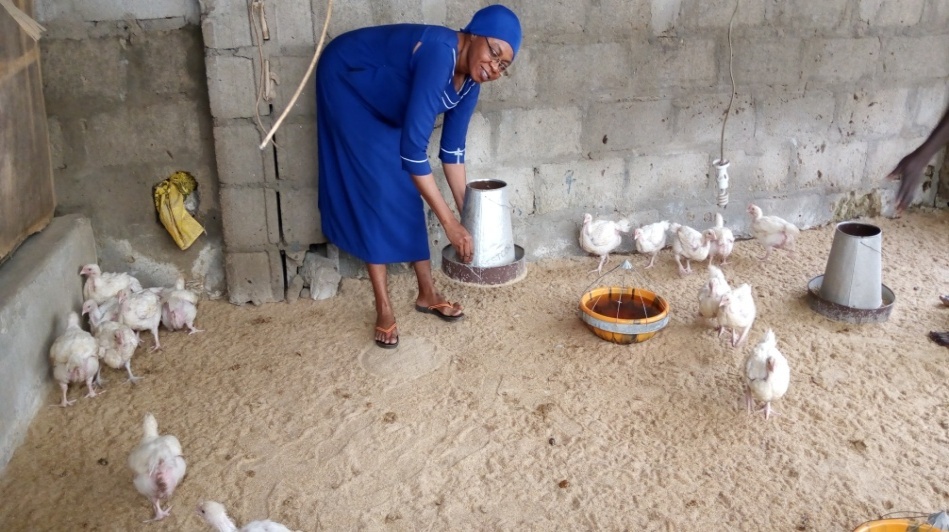
There is a one-room poultry apartment inside the Home. Birds are bred there and on maturity, they are used in feeding the inmates. The produce from the poultry has been encouraging.
Fish Pond
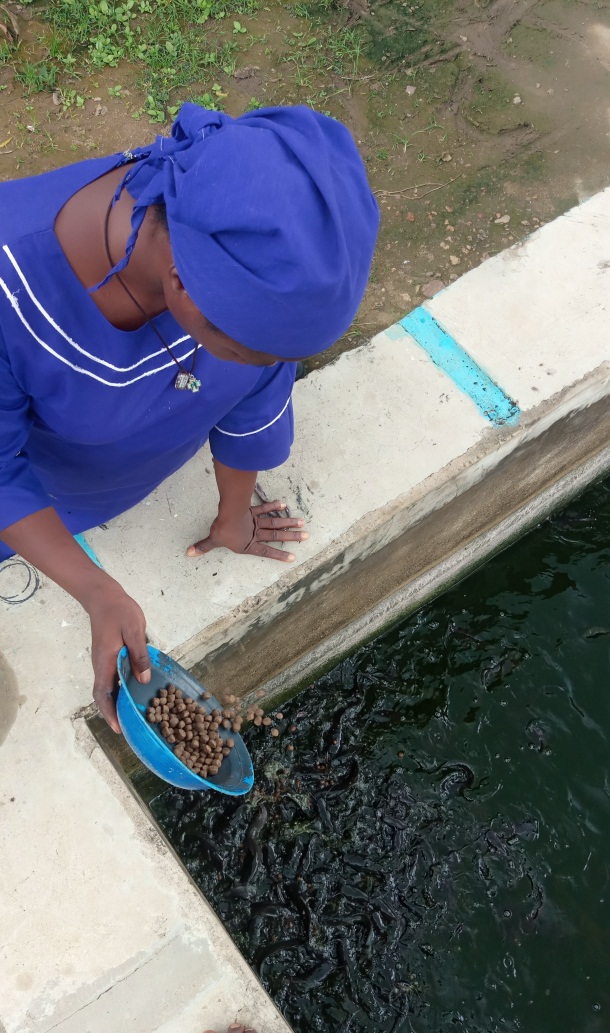
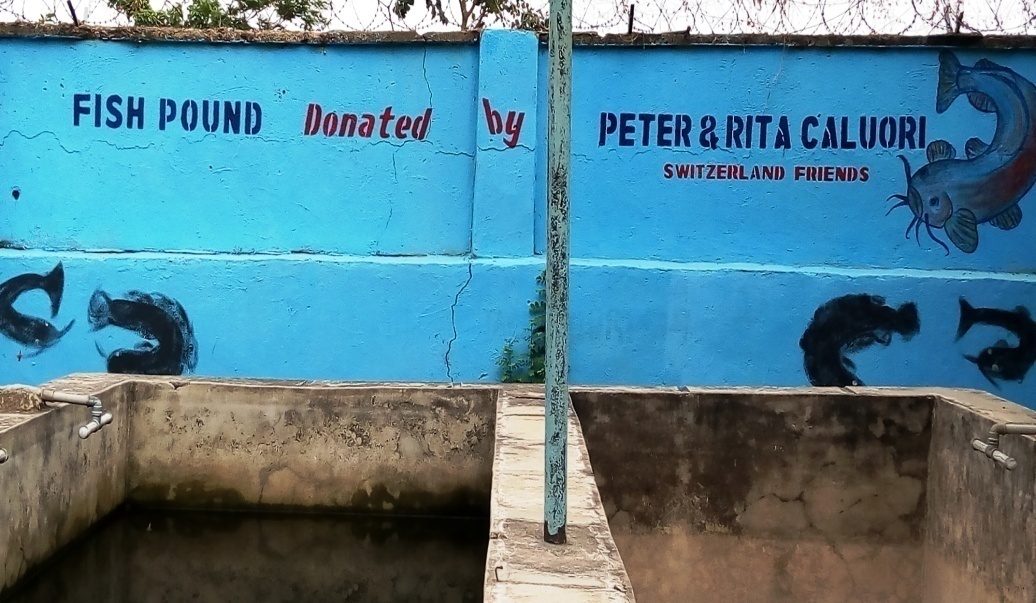
Fish Pond was developed by Rita and Peter Caluori. It has two concrete ponds. Fish are stocked in the two cavities and on maturity; they are harvested and used in feeding inmates. Sometimes, the fish are processed and used as fresh or smoked.
Contributions from the farm harvests have helped to alleviate the cost of feeding the inmates and also help to make food available at all times for the feeding of the children. It has helped to sustain the Home, especially during this period of economic hardship in the country.
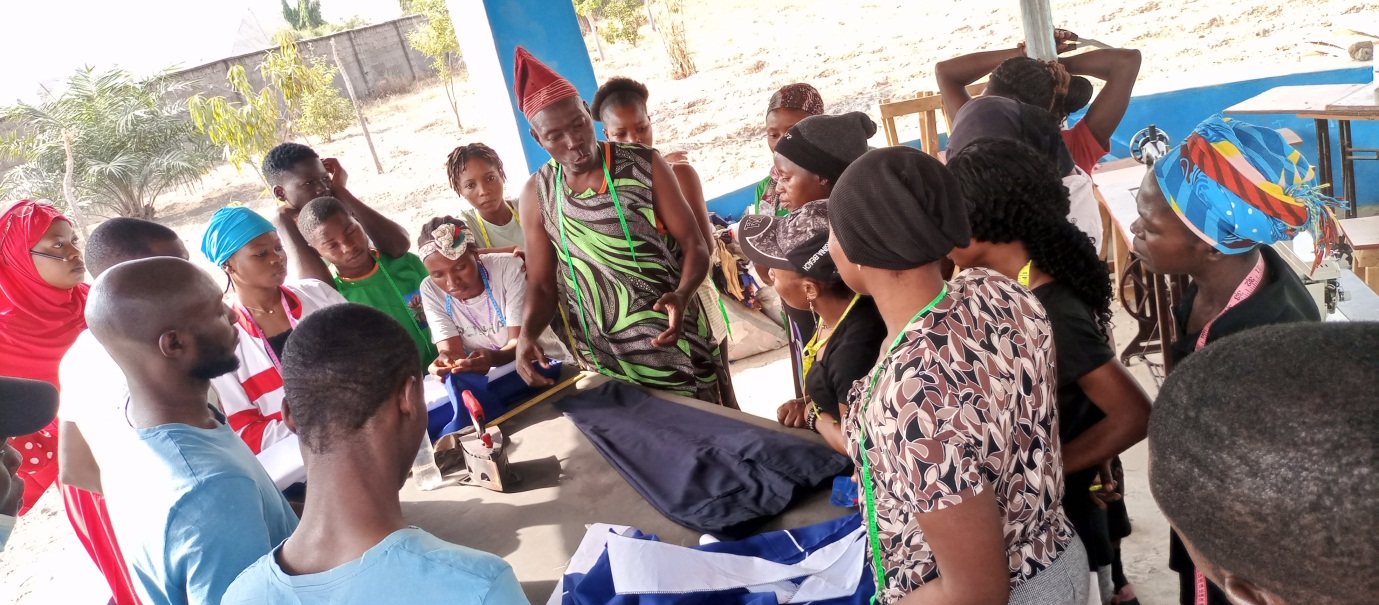
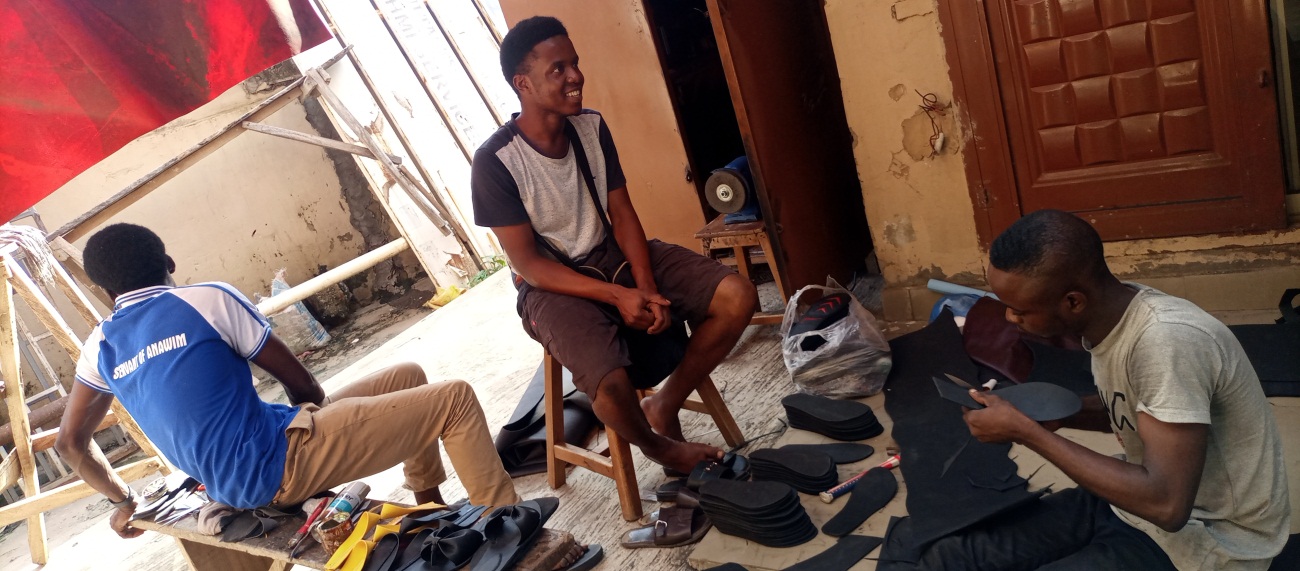
The Skill Centre was to help in rehabilitating the street boys and girls who were the earliest and pioneer vulnerable groups cared for. Before the establishment of the Skill Centre, the street boys were sent on skill/artisan training or apprenticeship outside the Home to learn bricklaying, carpentry, painting, sewing etc.
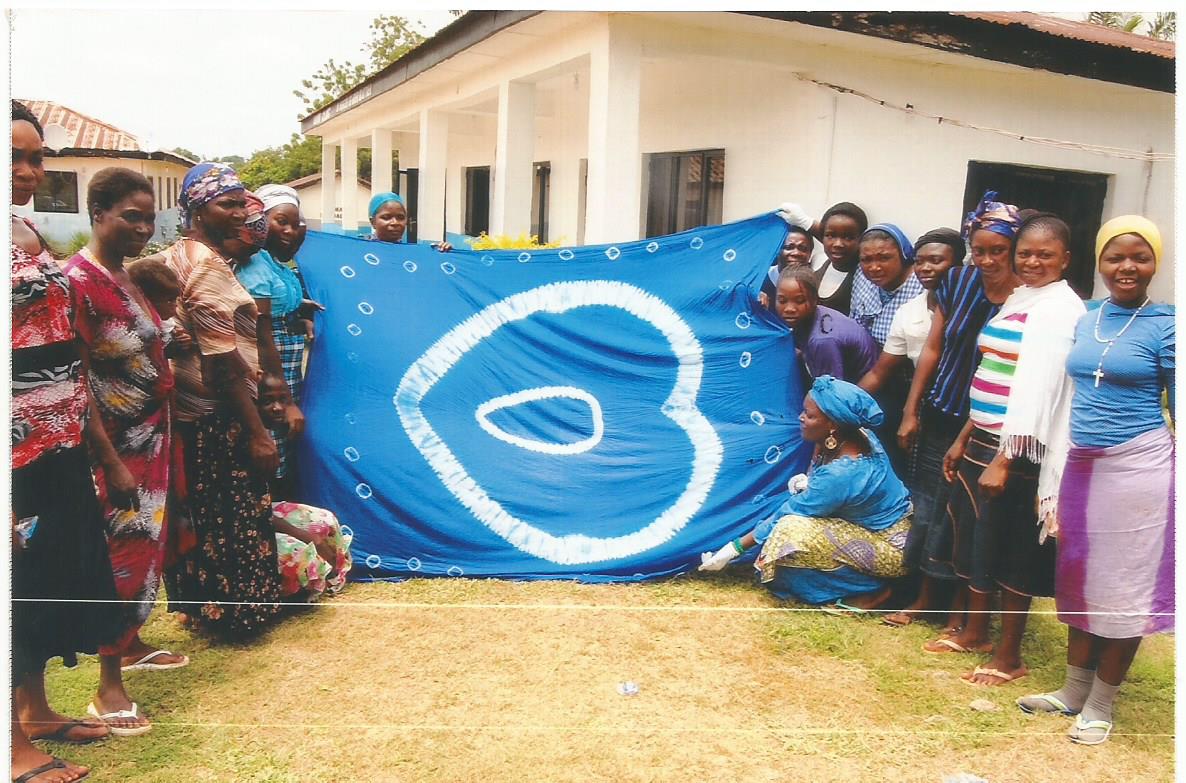
Anawim Home moved to its permanent site at Dagiri Gwagwalada in 1998. The compound provided enough space to accommodate a Skill Centre. Consequently, I used mud bricks to construct the initial Skill Centre, Mary Magdalene Skill Centre. The Centre had initial training on the crafts of the day, namely; basket making, weaving, raffia works, tailoring, tie and dye, candle making, and soap making. The training was for young unmarried pregnant ladies (young mothers) who were driven out of their homes and were nurtured at the Home before their delivery. The aim was to give them a source of livelihood with which to be self-sustaining after delivery. This was to help them depend less on men and avoid falling victim to sexual exploitation due to idleness, thus resulting in a repeat of their earlier plight. The training for these young ladies was mainly in hair braiding, hairdressing, bead making, weaving, knitting, catering, home management, and trading.
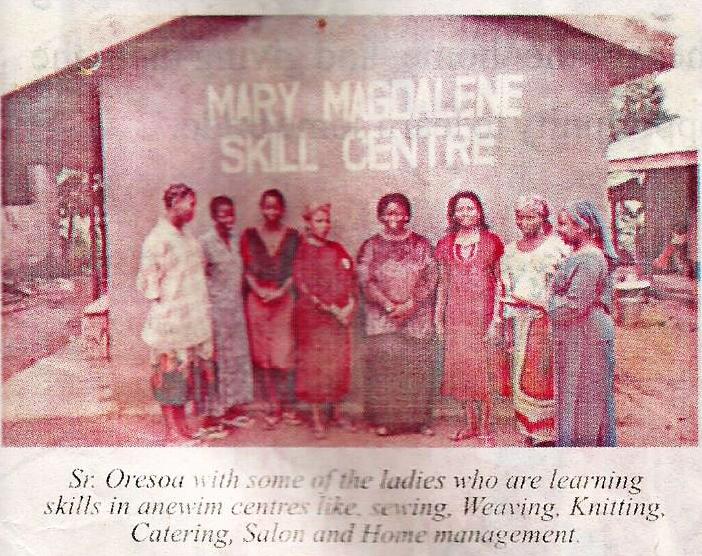
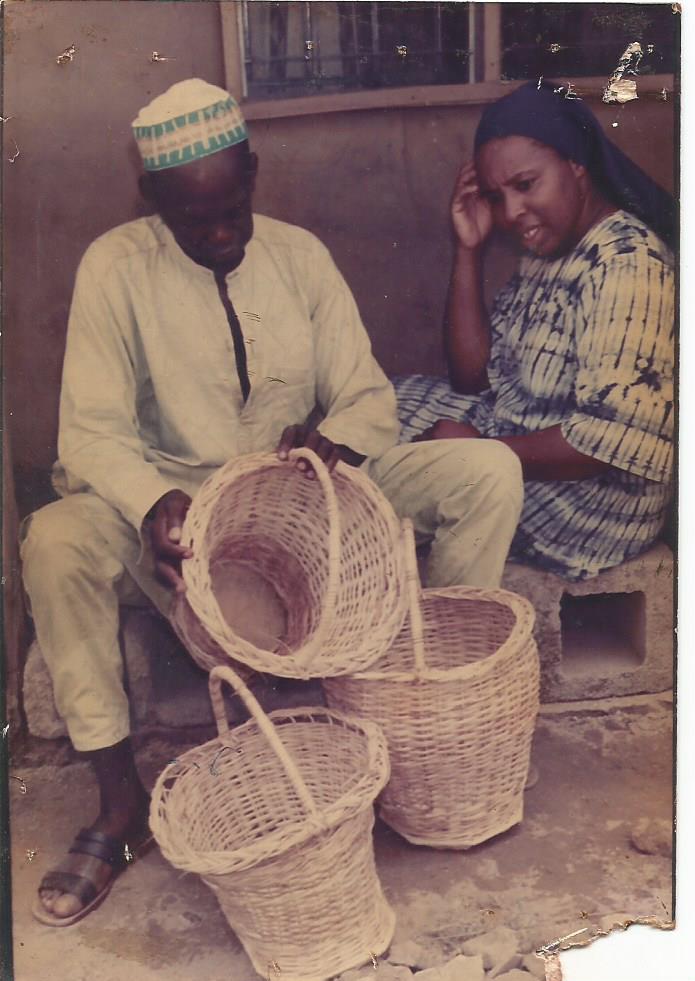
The Skill Centre was used also for adult education of the street boys and girls and young mothers to give them the fundamental rudiments of education as some of them had none. The door was also opened for women of easy virtue who were interested in learning skills to uplift their self-reliance and become self-sustaining.
The Home was blessed through the grant provided by Rita and Peter Calouri and their Switzerland friends to get a bigger Skill Acquisition Centre constructed and opened on 29th May 2010. The Skill Centre has a reception hall and a shop for display and sale of their products.
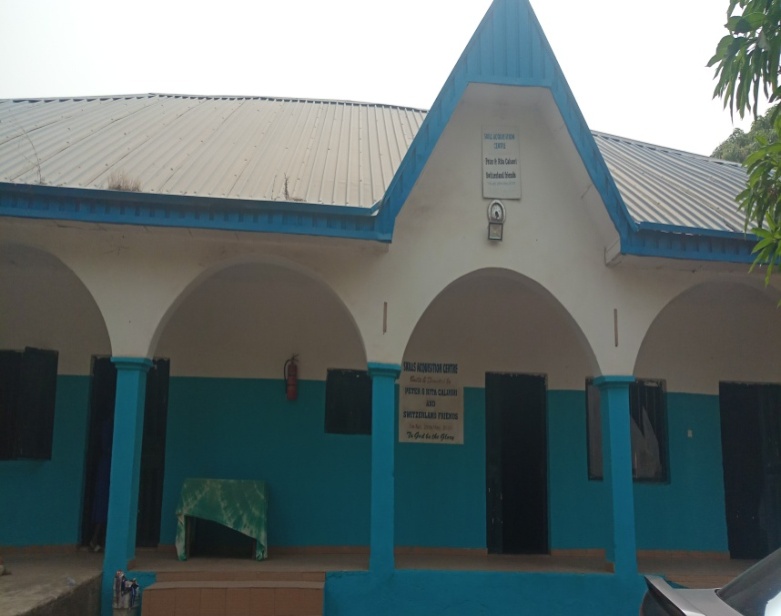
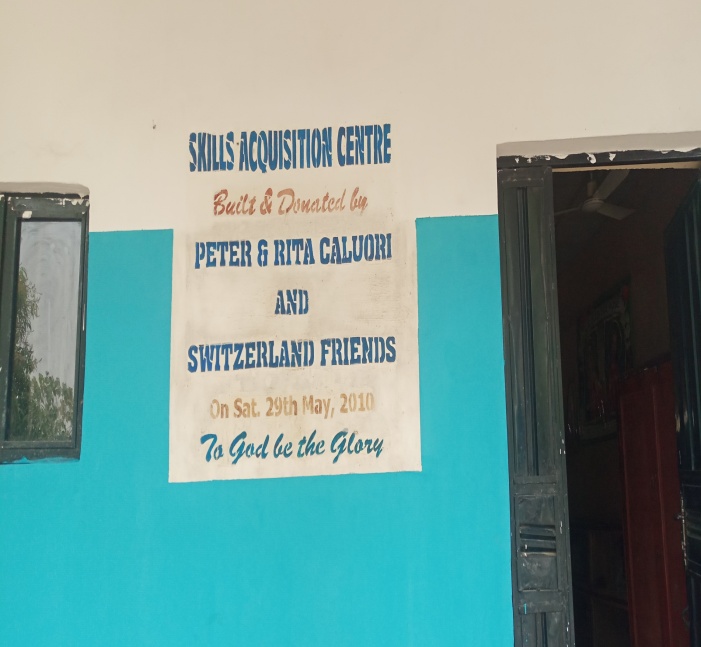
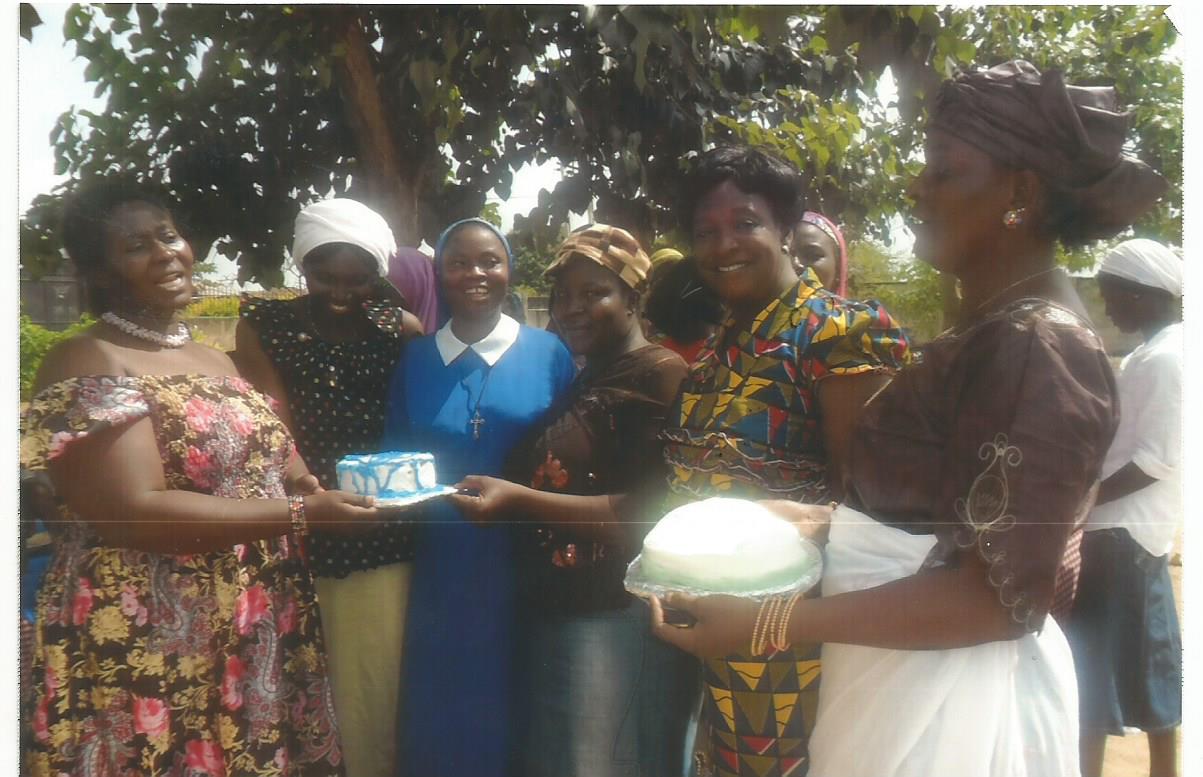
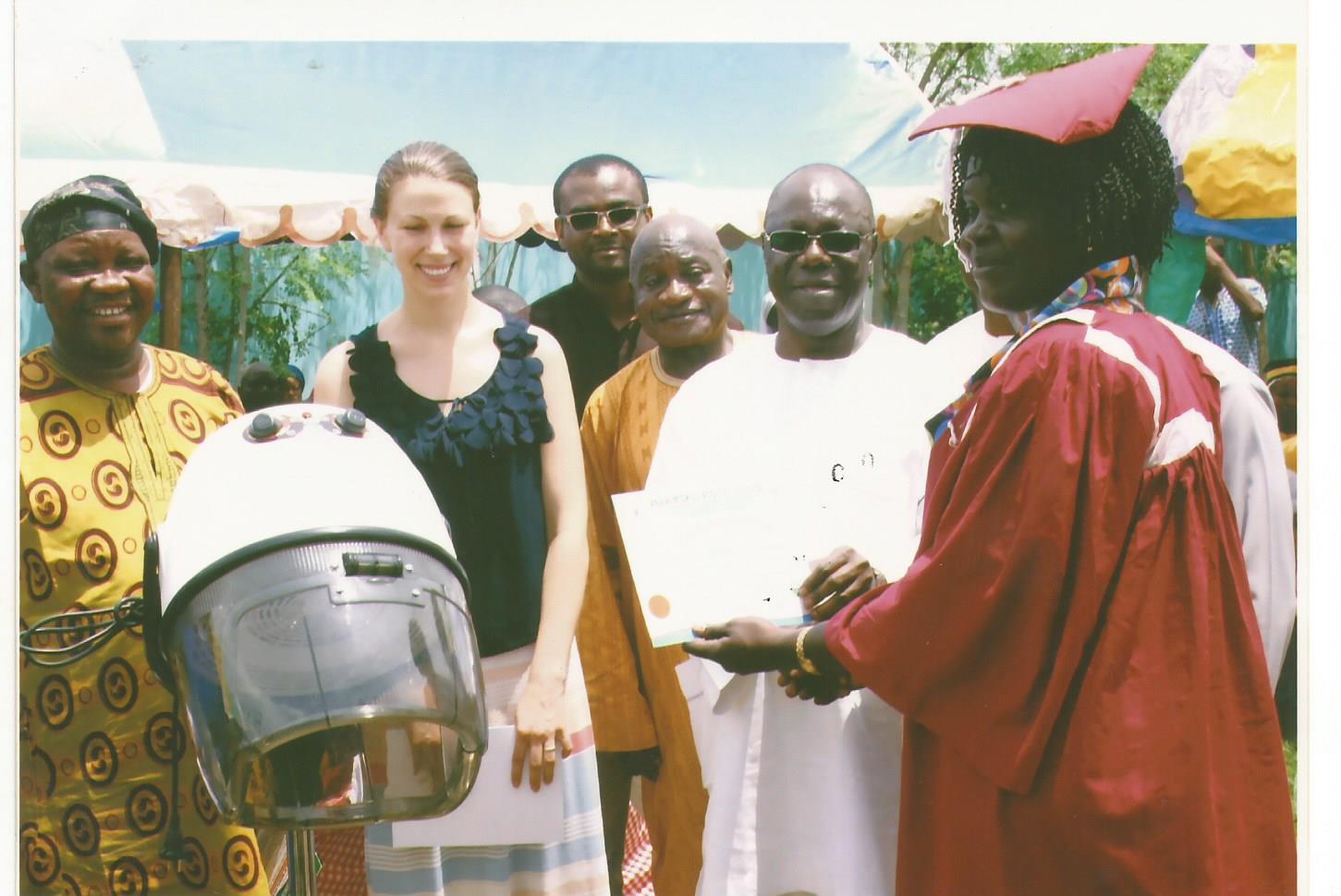
The Skill Centre was later equipped by the Czech Embassy with various modern catering and kitchen equipment, instruments and utensils. The Skill Unit included in their programmes bakery and confectionaries. Local women of low income were allowed to register for training to help them improve their living standards. The training was usually free and most often, the trainees on graduation were settled with basic equipment and supplies to start small businesses or join with other existing operations.
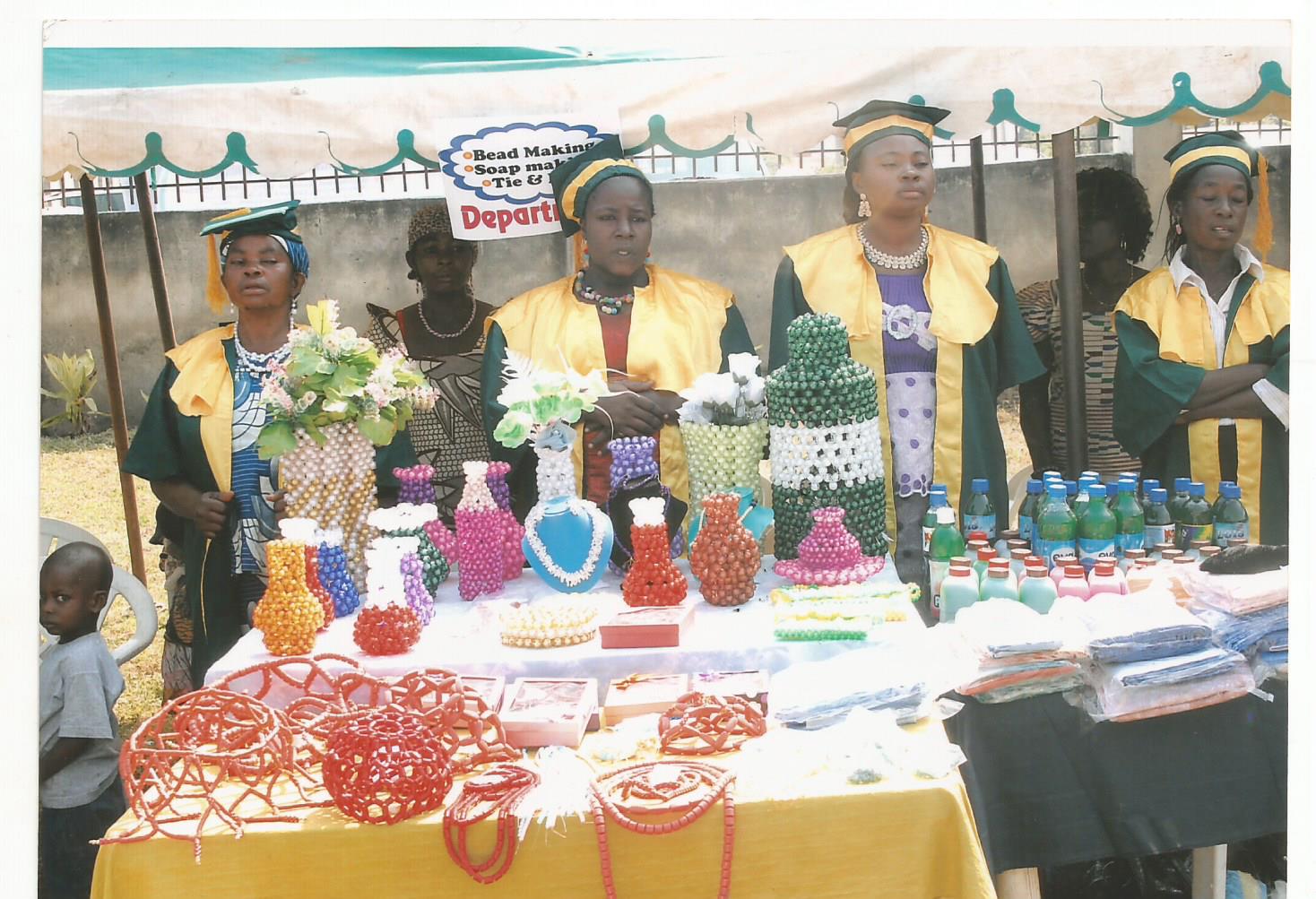
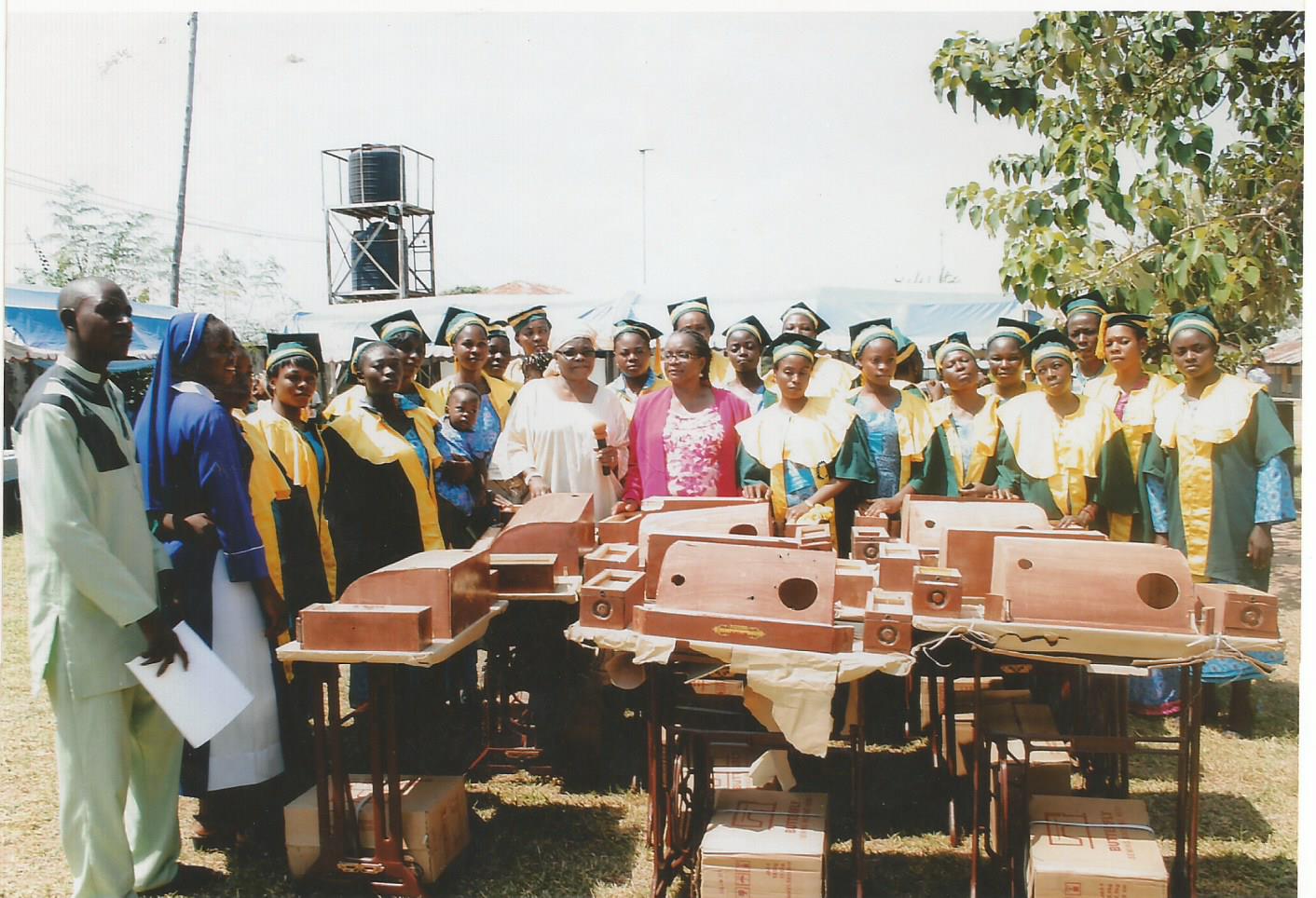
The activities at the Skill Acquisition Centre improved and expanded such that, by 2013, the National Aids Coordinating Agency (NACA), an agency of the Nigerian Government, supported the training of over 100 local women and women with AIDs in marketable skills like catering, sewing, knitting, hair braiding and bead making. The training was a yearly programme. This added to more avenues of curbing HIV and AIDs and Anawim Home was a selected facility to minister such apostolate. More than one thousand (1000) local women and women of easy virtue have been trained and settled to start their businesses with the required equipment, materials and funds to be self-reliant at the Skill Centre. This did not remove the original aim of the Home for establishing the Skill Centre basically to give skills and assist young mothers, rehabilitated mentally challenged persons and street boys and girls in creating skills that would provide sources of income for them.
Micro Credit programme
The activities and programmes of the Skill Centre in 2015 attracted the interest of Hope For West Africa (HFWA) Inc. to institute a programme to assist graduates of the Skill Centre. The organization established a 0% interest Microcredit programme in which women received as much as twenty thousand naira (N20,000.00) to establish or grow their businesses. They were selected into ‘Trust Groups’ in which each woman acted as each other’s collateral. This helped them to increase their income and /or branch into secondary businesses thus exposing them to higher income and better living. There has been a high repayment of the credit loan facility.
St. Raphael Medical Centre (Anawim Clinic)
This was initiated as a means of providing medical support for the group living with HIV and AIDs.
The Clinic initially cared for the health needs and regular ailments of residents of Anawim Home.
Anawim Home, because of the number of orphaned children, mentally challenged, the aged, and young mothers resident in the Home, required a healthcare facility to care for their medical needs. One of the pioneer Caregivers, Sr. Ruphina Anosike, was trained in the profession and was registered as a Nurse and Midwife. She started the Clinic to take care of the health of the residents of the Home. A part-time Doctor assisted in the health care apostolate. The care was extended to women of easy virtue as the Clinic provided medical support for them every Wednesday, especially those living with HIV. This program continued until William Blattner MD visited Anawim Home in 2006 on an official trip. William Blattner was involved in Nigeria for persons with AIDs and HIV. The visit was through the Institute for Human Virology Nigeria (IHVN). IHVN is a non-governmental organization that focuses on HIV/AIDs related problems in Nigeria. It was established as an affiliate of the Institute of Human Virology, University of Maryland School of Medicine, Baltimore, in 2004.
The Clinic was selected as one of the IHVN facilities due to its coordination and care for women of easy virtue, a key target population in HIV/AIDS. Sincehas b, iteen involved in outreaches for HIV testing and identification, counselling, dispensing ARV drugs, Clinic attendance, monthly ‘Ladies Get-together mention activities etc. The clinicians meet their IHVN targets in the programme.
The Clinic operates outpatient care with the help of a visiting Doctor and holds an ante-natal Clinic every Friday. It offers sales in orthodox and pax herbal drugs in the Pharmacy. The Pharmacy has sales outfits established for marketing and dispensing pax herbal drugs to the locality.
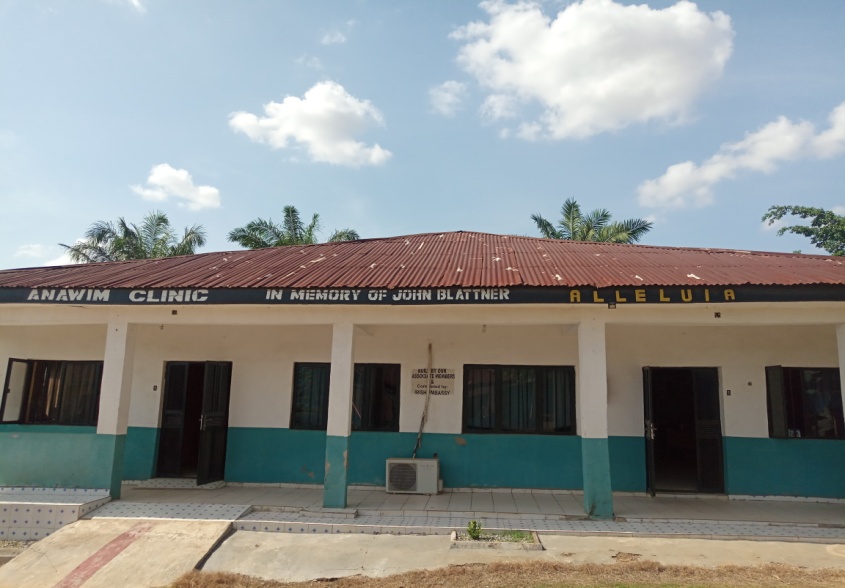
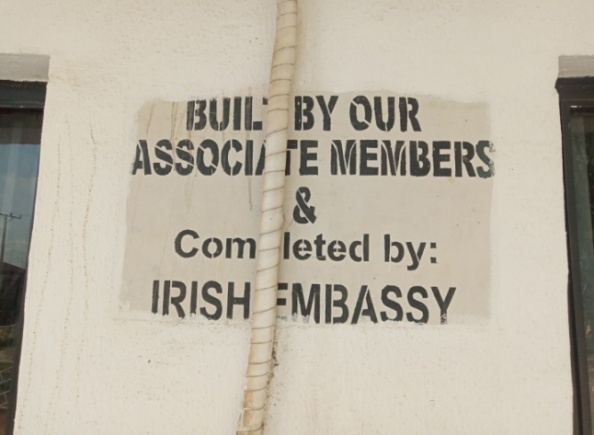
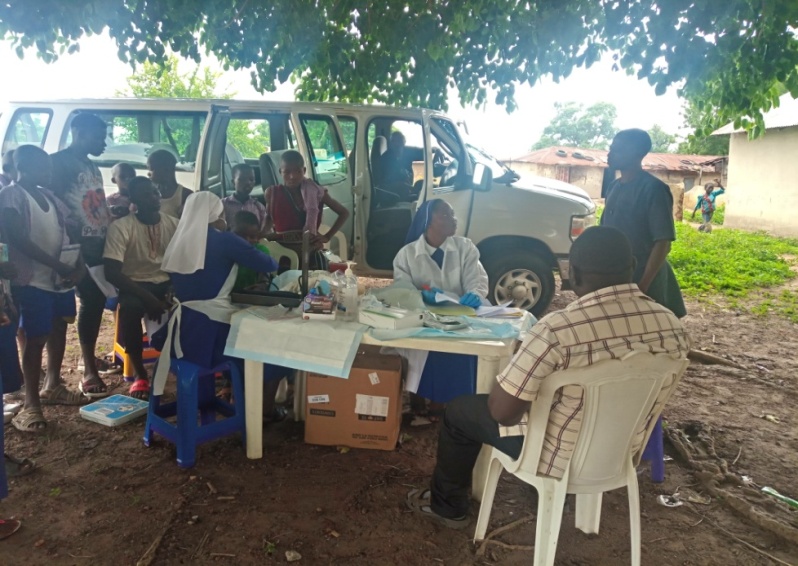
The growth of the Clinic was made possible by the construction of the building housing it. The building was originally planned as a reception hall with a guest room accommodation. The idea was the brain-child of Associate Members, championed by Dr Uju Ozoh-Bosah, with an initial donation of fifty thousand naira (N50,000.00) then in 2005. Subsequently, upon the commencement of work, many other Associate Members made contributions towards the construction of the building. This continued to a point where the Irish Embassy took it up and finished the construction. The building was converted to a Clinic when the need arose with the IHVN choosing the Clinic as a facility. Presently, the Clinic building still provides an apartment for guests while the frontage has demarcations for service rooms like pharmacy, labour room, consulting rooms, laboratory, wards, special ward, emergency section, card and records and waiting section.
In 2018, the Clinic was registered with the Corporate Affairs Commission under the name St Raphael Medical Centre. In 2019 the process of getting the Clinic fully approved by the Federal Capital Territory Administration (FCTA) Health and Human Services Secretariat began. The process is still ongoing.
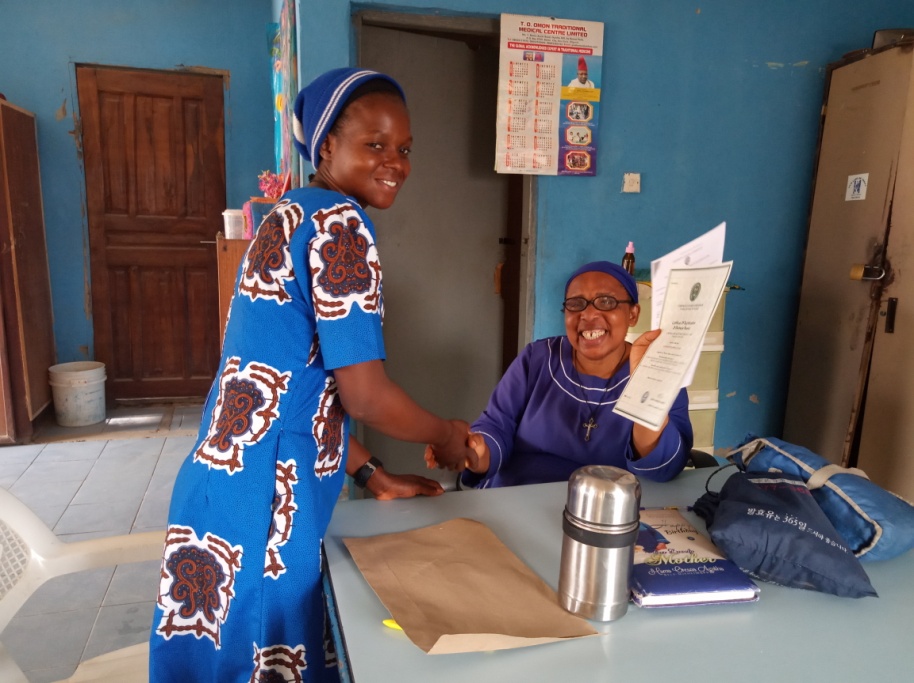
The establishment of the Clinic has helped in taking care of the orphaned children’s, medical needs and those of the mentally-challenged persons resident in the Home as well as the delivery needs of young mothers, and health care needs of Sisters and Brothers. The cost of medical care has been brought down when compared with such care outside. It has provided urgent attention during emergency cases, especially to the large population of inmates. The Clinic has added much to the healthcare needs of the Home and also the vulnerable groups in the locality.
Help give Hope to the Needy
With your generous donations you can help build a future for thousand of school children, care for the elderly among us,help stop prostitution, provide proper medication to the sick and so much more.